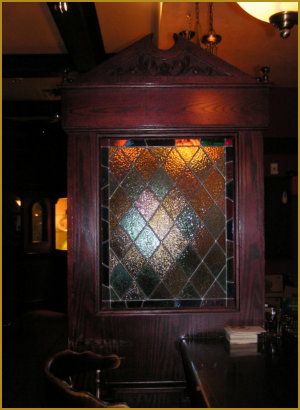
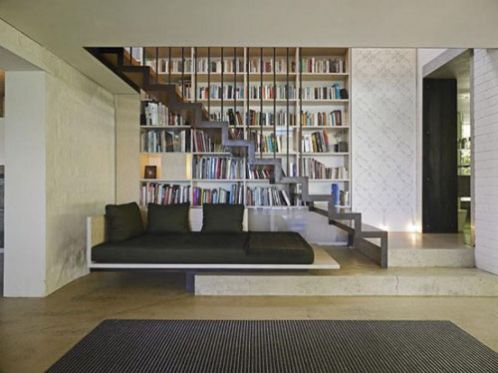
Showing posts with label Interiors. Show all posts

Tuesday, March 17, 2015

Tip of an Irish Hat, And a Happy St. Patrick's!


An Irish Hat
[Photo By: KPA]


I went early to my local Irish pub, Failte's, thinking it would be quiet, and there would be just the decorations. I was wrong. However strange it may sound, there was a St. Patrick's party for children (in a pub) at this particular Failte's. I went in the back and watched the merriment.

The place was a little cheesyly decorated, cardboard hats, glittery leprechauns, and green beer. But why not? Festivals are hard to come by these days where everything is political correctly sterilized. St. Patrick's hasn't got that "inclusive" poison yet. All the patrons were refreshingly Irish-looking, and the music wonderfully Irish (as far as I could tell).

"I'm not Irish," I told the waitress. "But can you still get me a hat and some lucky clover?"

I now have a hat, and a necklace of sparkly beads with a large three-leaf piece of luck. I'll hang on to the luck of the Irish!

I also asked for a "small" (I think that means a 1/2 pint) of Harp beer.

On a more serious note, here is a post of mine on Failte, my humble take on the Irish, Yeats' poetry, and memories of Larry Auster and his serious work to keep his beloved America from turning into a Babylon.

I posted this poem, posted by Larry at the View From the Right:

THE WILD SWANS AT COOLE

THE TREES are in their autumn beauty,
The woodland paths are dry,
Under the October twilight the water
Mirrors a still sky;
Upon the brimming water among the stones
Are nine and fifty swans.

The nineteenth Autumn has come upon me
Since I first made my count;
I saw, before I had well finished,
All suddenly mount
And scatter wheeling in great broken rings
Upon their clamorous wings.

I have looked upon those brilliant creatures,
And now my heart is sore.
All’s changed since I, hearing at twilight,
The first time on this shore,
The bell-beat of their wings above my head,
Trod with a lighter tread.

Unwearied still, lover by lover,
They paddle in the cold,
Companionable streams or climb the air;
Their hearts have not grown old;
Passion or conquest, wander where they will,
Attend upon them still.

But now they drift on the still water
Mysterious, beautiful;
Among what rushes will they build,
By what lake’s edge or pool
Delight men’s eyes, when I awake some day
To find they have flown away?

This is the illustration he posted at the end of the poem, in his entry "Update":


----------------------------------------------------------------------------
Posted By: Kidist P. Asrat
Thursday, March 5, 2015

Getting Ready for St. Patrick's


Photo By: KPA

My local Irish pub, Failte's, is getting ready for St. Patrick's Day. I know this holiday has been trivialized, and it has generally become a drinking day. But there is something important in remembering these days. As Christmas, Easter and Thanksgiving lose their significance with the commercialization and "fun" that has become the way we participate in these sacred holidays, it also adds to the human element of festivities. I think we can have both, the serious and the festive. The important thing is to remember what these holidays are about, then we can drink the beers, or open the gifts, as we put up the glitter and lights.

I watched the busy staff put up these glittery green decorations. "This looks ugly," said one woman, at the dangling Irish elves. "It's nice," I said. I think she was trying to put some gravitas into the situation. But, you can hardly do that in a pub, and may as well make it look festive as people drink their Harp beer, or eat their Danny Boy's Shepard Pie.

Here are some photos I took of the place. It was "designed in Dublin by O’Brien’s Irish pubs, Failte comprises 6,000+ sq ft and includes authentic handcrafted furniture and antique pieces of genuine Irish bric-a-brac," according to its website. It is a lovely place.

-------------------------------------------------------------------------------------
Posted By: Kidist P. Asrat
Sunday, January 18, 2015

Sunday Gentleman


Photographic Portrait of a Victorian Gentleman
Failte Irish Pub
[Photo By: KPA]


This photograph hangs in one of the alcoves in the Failte Irish Pub and Restaurant. It may be hanging in a pub, but it surely merits a Sunday post. This gentleman looks kind enough not to scare away little children, but firm enough to get things straight. He may have a pint (but not two), but won't have any qualms over others (men, of course) doing so.

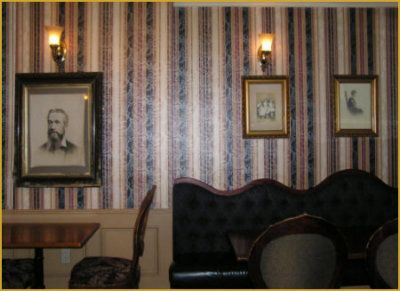
Here is a photo I took of the alcove at another time. The room is, appropriately, called "The Victorian Parlour."


Failte Irish Pub, The Victorian Parlour
[Photo By: KPA]

---------------------------------------------------------------------------------------------
Posted By: Kidist P. Asrat

Saturday, August 2, 2014

New York Stories: The Capacious Hand of God


William Morris
Thistle Design


The short story The Thistles in Sweden, by William Maxwell, in New York Stories, is a lovely montage of interiors. Of course, the most important interior of the story is Margaret's place for her new baby. And all are aided by "the capacious hand of God."

The Thistles in Sweden
By: William Maxwell

p. 16
The living-room curtains are of heavy Swedish linen: life-sized thistles, printed in light blue and charcoal grey, on a white background. They are very beautiful (and so must the thistles in Sweden be) and they also have an emotional context; Margaret made them, and, when they did not hang properly, wept, and ripped them apart and remade them, and now they do hang properly.
p. 239
...I think if it is true that we are all in the hands of God, what a capacious hand it must be."
-----------------------------------------------------------------


Flowers in the Cloisters Bonnefont Herb Garden
[Photo By: KPA]

-------------------------------------------------------------------------------------------------------------------------------------------------------------
Posted By: Kidist P. Asrat
-------------------------------------------------------------------------------------------------------------------------------------------------------------

Sunday, September 1, 2013

The New York Public Library's Great Reading Room


The Deborah, Jonathan F. P., Samuel Priest, and Adam R. Rose Main Reading Room is a majestic public space, measuring 78 feet by 297 feet—roughly the length of two city blocks—and weaving together Old World architectural elegance with modern technology. The award-wining restoration of this room was completed in 1998, thanks to a fifteen million-dollar gift from Library trustee Sandra Priest Rose and Frederick Phineas Rose, who renamed the room in honor of their children.

Here, patrons can read or study at long oak tables lit by elegant bronze lamps, beneath fifty-two foot tall ceilings decorated by dramatic murals of vibrant skies and billowing clouds...

...

In one of his memoirs, New York Jew, [Alfred] Kazin described his youthful impression of the reading room: “There was something about the . . . light falling through the great tall windows, the sun burning smooth the tops of the golden tables as if they had been freshly painted—that made me restless with the need to grab up every book, press into every single mind right there on the open shelves.” [Source: NYPL]
In my post on the New York Public Library, Dean Ericson left the following comment:
My 16 year-old nephew was visiting earlier in the summer, his first trip to New York City. The Public Library was one place I brought him and we made a thorough tour of every public space. It is simply one of the world's greatest buildings; grand in concept, perfect in design, and brilliant in craftsmanship. If you come to the City don't miss this inspirational evidence of a superior civilization.
-Dean Ericson
I am happy to inform Dean that I have been inside the library. It was primarily to ask information on membership. I did get my library card, actually two cards: one the size of a credit card, and the other a thinner one with a hole at the top. The latter, as I was informed, is to put on a key chain or something. I got my cards in the great reading room, where it was so quiet, I could hear a pin drop (or the papers rustling). I didn't want to take a photo of this grand interior, but hopefully I will do so the next time.
-------------------------------------------------------------------------------------------------------------------------------------------------------------
Posted By: Kidist P. Asrat
-------------------------------------------------------------------------------------------------------------------------------------------------------------

Friday, March 1, 2013

Over-Compensating for Beauty


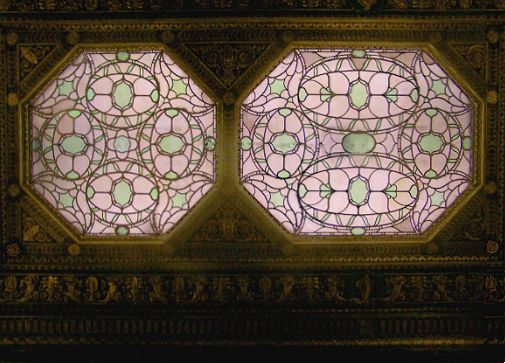
The Ceiling in the East Room of the Pierpont Morgan Library
[Image by Kidist P. Asrat]


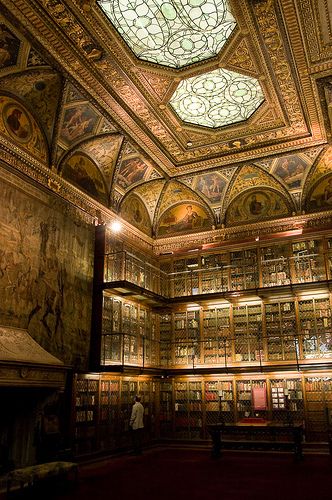
The East Room of the Pierpont Morgan Library
Image from The Most Beautiful Libraries in the World
(scroll down at the linked site for the image)


-----------------------------------------------------------------------------------------------------------------------------------------------------

I posted about a recent trip to New York, and made a list which I titled: Kidist's Best Of in New York City.

One of the places I listed was the Morgan Library.

I took my camera into the library, hoping to take photos of the images I had seen in guide books, but the museum guard told me I couldn't use a flash. The only picture I could take which didn't require extra lighting was the ceiling stained glass window.

I forgot about this photo, and found it while I was organizing my online files.

Although the image came out over-exposed, I was able to use some digital photo editing techniques to make it as much like the original as I could.

It could be that I over-compensated, and the colors are not as saturated as I make them out to be in my final rendition. Nonetheless, the basic outline is as it is, and why not use a bit of fantasy to make something more beautiful? It could just be that the glass needs a bit of cleaning, like the renovations in the Plaza Hotel (which also included replacement of some of the stained glass).

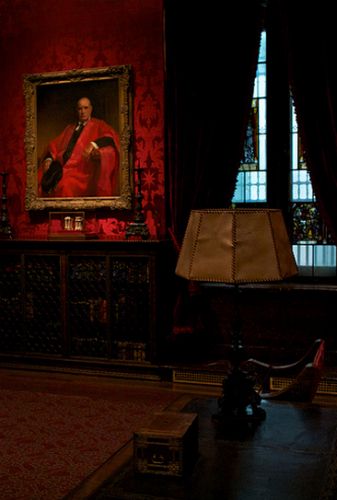
I went to the library with a friend. When we entered the West Room, or Pierpont Morgan's study, we saw a number of portraits of Morgan and his descendants, stern and serious, looking down at us. "These are the white men of yonder years," I quipped: "We don't see them like this anymore, confident, sure and authoritative. Creating our Western civilization. Now, if white men ever had the same amount of zeal and commitment to their culture and society, they would be called racist. Now, they have to aspire to the lowest common denominator, rather than the highest. They cannot anger and cause resentment, or instill feelings of inferiority, to those many races and nations that cannot achieve, and have not achieved, the same brilliance."


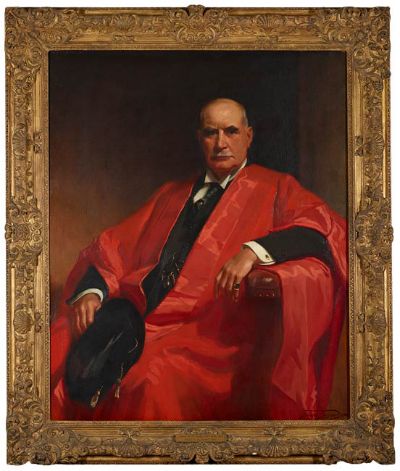
Portrait of J. P. Morgan, Jr. (1867–1943) in a Cambridge Robe, 1934
Artist: Frank Owen Salisbury (British, 1874–1962)
Oil on canvas
48 5/8 x 39 3/8 inches
Commissioned by J. P. Morgan, Jr., 1934
West Room, Pierpont Morgan Library


Here is information on the portrait:
This portrait depicts J. P. Morgan, Jr., Pierpont Morgan's son and founder of this institution, wearing the robes of a Doctor of Laws, an honorary degree conferred by Cambridge University in 1919. The degree was a gesture of gratitude to the younger Morgan, who, as head of the firm J.P. Morgan & Co., provided financial support to the Allies during the First World War.[source: Pierpont Morgan Library]

A closer look at the portrait

Here is information on the artist, Frank Owen Salisbury:
Francis ("Frank") Owen Salisbury (born Harpenden[1] in Hertfordshire, 18 December 1874[1] died Hampstead, London, 31 August 1962[1]) was an English artist who specialised in portraits, large canvases of historical and ceremonial events, stained glass and book illustration. In his heyday he made a fortune on both sides of the Atlantic and was known as “Britain’s Painter Laureate”. His art was steadfastly conservative and he was a vitriolic critic of Modern Art – particularly of his contemporaries Picasso, Chagall and Mondrian. His father, Henry Salisbury, described himself as a “plumber, decorator and ironmonger” (his mother was Susan Hawes[1]), yet his son Frank would become one of the greatest society artists of his generation. [Source: Wikipedia]
And more detailed biographical information on J. P. Morgan:
John Pierpont "Jack" Morgan, Jr. (September 7, 1867 — March 13, 1943) was an American banker and philanthropist. He was born on September 7, 1867 in Irvington, New York to J. P. Morgan and Frances Louisa Tracy. He graduated from Harvard in 1886, where he was a member of the Delphic Club, formerly known as the Delta Phi, and Delta Kappa Epsilon. In 1890 Jack married Jane Norton Grew (d. 1925), daughter of Boston banker and mill owner Henry Sturgis Grew. She was the aunt of Henry Grew Crosby. The couple raised four children: Junius Spencer Morgan III; Henry Sturgis Morgan, a founding partner of Morgan Stanley; Jane Norton Morgan Nichols and Frances Tracy Pennoyer. A fifth child, Alice (d. 1918?), died at a young age of typhoid fever. He resembled his father in his dislike for publicity and continued his father's philanthropic policy. In 1905, his father acquired the bank Guaranty Trust as part of his efforts to consolidate New York City banking. After his father died in 1913 the bank became Jack's base. Morgan played a prominent part in financing World War I. Following its outbreak, he made the first loan of $12,000,000 to Russia. In 1915, a loan of $50,000,000 was made to France.
-----------------------------------------------------------------------------------------------------------------------------------------------------
Posted By: Kidist P. Asrat
Wednesday, February 27, 2013

Beautiful Libraries


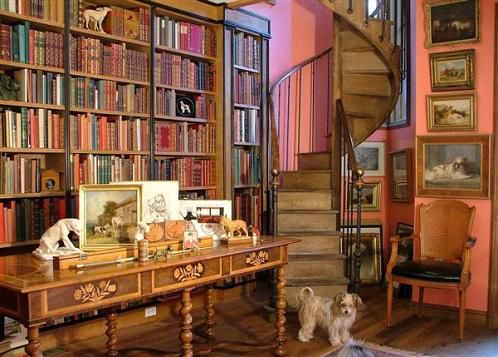
Image from the blog Beautiful Libraries. This would be my library

A library is where we find inspiration for ideas. These ideas need not come directly from the books, but also from the objects in the library, and the construction of the library itself. The room's structure, its architectural design, the windows, doorways, stairways, are the preliminary focus for contemplation. The room's interior, its chairs, the wallpaper, the carpet, the ceiling's crown moudlings, provide a sense of order, structure, and aesthetic pleasure which augment those objects of art which it houses. The paintings on the wall, the statues and figures on the desk and other tables remind us of a particular era, a particular artist, and a particular subject, which may inspire us like to follow their examples, or to continue where they left off. Finally, there are the books. And these can be divided into three categories. First, the design of the books, with their ornate covers, or covers of interesting qualities, are like the aesthetic pleasures we would get out of objects of art. Then there is the title of the books, from heavy and serious titles to light and frivolous ones which expand our imagination to where these books wish to take us. Finally, there are the authors of these books, who inspire us to think like them, and who give us their tools and philosophies on how to understand the world better.

Finally, books are meant for reading, and not contemplating. There nothing more superficial than a library of books which have not been read and which sit on the shelves for prestigious show. Even the most precious of books, which at any moment could succumb to the heavy load of dust, are something that have to be opened and read.

Beautiful libraries are hard to find.

A reader sent me a link to a blog titled Beautiful Libraries. Can anyone contemplate beauty in a library like this, or like this? We should nourish our thoughts well.
-----------------------------------------------------------------------------------------------------------------------------------------------------
Posted By: Kidist P. Asrat

Sunday, February 24, 2013

Tom Selleck's Second Act, Surrounded by New York Landmarks


It doesn't really matter if Tom Selleck isn't the best of actors, but he somehow holds together a motley crew of a family of cops in Blue Bloods, the very apt title for a show of NYC cops (and a lawyer daughter who turned to law rather than order), which has become something of a TV royalty.

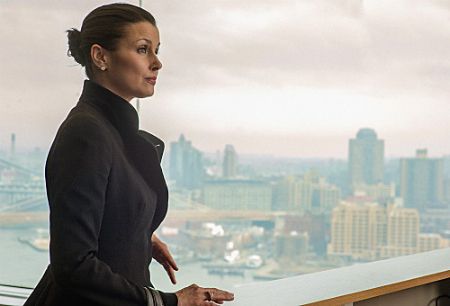
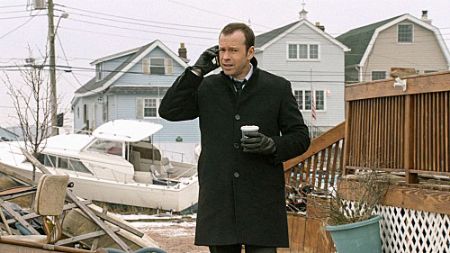
Selleck isn't given big parts, but he plays a very big role as the staid patriarch. During his officer duties, we see him arguing with his assistant, giving advice to his law and order family at the weekly Sunday dinners in his New Jersey home, warding off blood thirsty reporters at press conferences who could ruin an investigation with one article, and generally trying to right wrong from his lofty position. But it is his volatile cop son Danny (from the former boy-band New Kids on the Block - he has come a long way), and his elegant lawyer daughter Erin (played by Bridget Moynahan) who do the legwork, and take on gritty cases. The show, like all New York shows, is a backdrop for the city, which means going into all the borough, and not only the Manhattan that has become synonymous with the city. . Last week it was in Brooklyn investigating a Hasidic Jewish murder. Before that it was at Battery Park with views of the Statue of Liberty. This week it was in the Bronx.

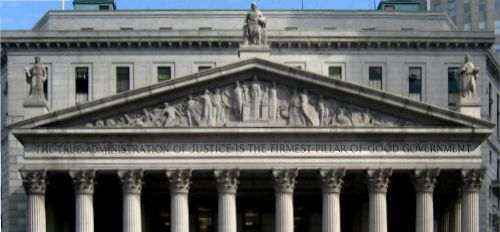
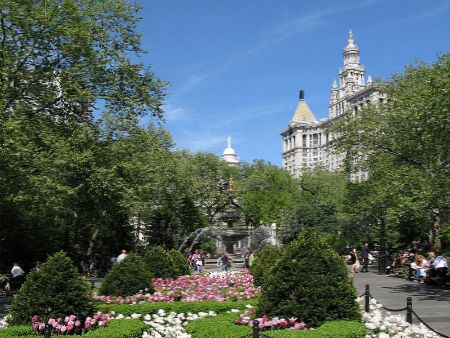
We are always taken down to City Hall with its beautiful rotunda, and of course the New York County Court House in Foley Square.

Somehow in this episode, Danny ends up in Rockaway, Long Island, showing us the effects of hurricane Sandy.

In the end, good (according to CBS - the channel which airs the show) always wins, even if it means if Chief Commissioner Reagan has to also make sure that social justice also gets its due. As the black actor who wanted to revive a cold case said to Erin, who told him that maybe he needed to forgive: "I prefer justice." His justice was to give due justice to the father of his daughter's boyfriend who was white, for killing his daughter for going out with his son.


The quote on the frieze: "The True Administration of Justice is the Firmest Pillar of Good Government"
is attributed to George Washington
The New York County Courthouse (or the Manhattan Supreme Court), in Foley Square


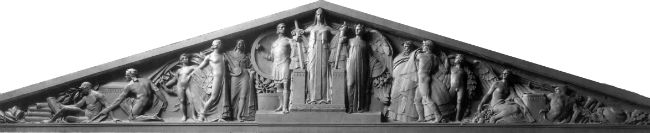
The pediment on the New York County Courthouse:
Fourteen pediment figures: female figure of Justice (center), male figure of Courage (on her right), and male figure of Wisdom, (on her left). Courage holds sword of justice and a shield as protection against the forces of evil, represented by three figures to his right. Wisdom is represented by a winged female figure lending Justice the torch of wisdom. To her left are three figures representing forces of light, including figure of Philosophy, a figure who bears the robes of Authority, and a youthful figure bearing garlands. At either end of the pediment there is a group guarding the Record of the Law. On top of the pediment is a figure of Law represented by a male figure dressed in Roman robes. He holds a book in his proper left hand and his proper right hand rests on a fasces, the Roman symbol of authority. A bald eagle is by his proper left foot. On top of the right end of the pediment is the figure of Truth represented by a female figure who holds a bouquet of flowers in her proper left hand. On top of the left end of the pediment is the figure of Equity represented by a female figure who holds a book in her proper right hand and a small disc in her proper left hand. [Source]

New York City Police Commissioner Frank Reagan, played by Tom Selleck


N.Y. Assistant D.A. Erin Reagan (Bridget Moynahan) getting ready for a case


Det. Danny Reagan (Donnie Wahlberg) in Rockaway Beach, at Hurricane Sandy site


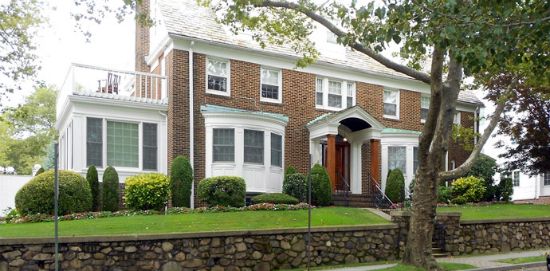
Frank Reagan's Brooklyn Home


Sunday Family Dinner


New York City, City Hall


New York City, City Hall: Vestibule Ceiling


New York City, City Hall Subway
(although not functioning, it is open for viewing)


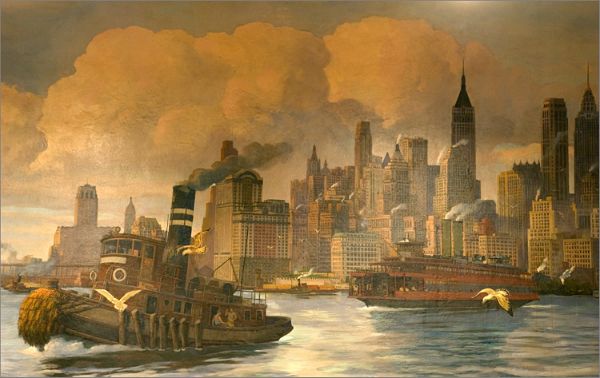
New York City, City Hall: Mural of New York Harbor in Jury Room 452
From the Historical Society of the New York Courts

The show was apparently slated to be filmed in Toronto. Thank God the New York City Film Commission film managed to salvage that. I'm getting really tired of trying to identify what Toronto building or neighborhood is being passed off as in NYC. This time, it is the real thing.
-----------------------------------------------------------------------------------------------------------------------------------------------------
Posted By: Kidist P. Asrat
Thursday, February 7, 2013

The Grandness of Train Stations

[A series of photographs are posted at the end of the article]

I regularly view the photographs that are posted on the photography blog NYC: Daily Photos (photos are often posted daily, sometimes with a bit of a hiatus), and I saw the recent photo of the interior of New York's Grand Central Terminal.

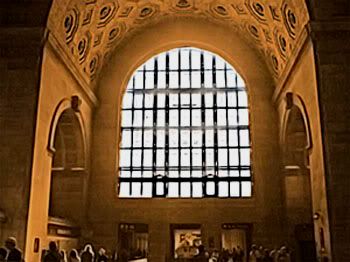
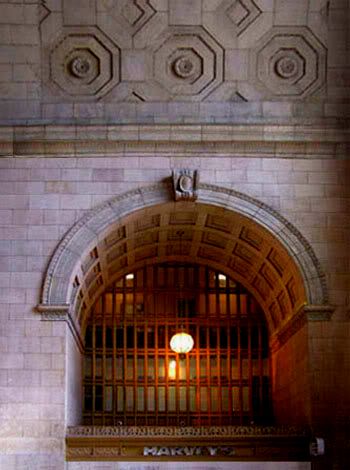
I've posted below photos that I had filed away of Union Station, Toronto's train station. I find similarities between Union Station and Grand Central Terminal, which I discuss pictorially and descriptively below.

I often find that Toronto architecture of the late nineteenth and early twentieth centuries mimic New York buildings of the same era, trying to instill some of the American grandeur into the Canadian cityscape. Union Station is a grand example of this, resembling the imposing architecture of Grand Central Terminal (although I cannot yet verify if Canadian architects were specifically copying Grand Central Terminal, or just using a generalized architecture styles of the period. Impressive train stations were a common feature in large cities of this era).

Here's information on the Beaux Art design and history of Union Station, which opened in 1927.

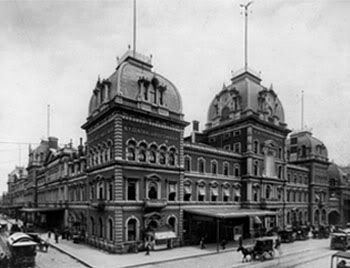
And here's information on Grand Central Terminal's architecture. Grand Central Terminal, as it is called now, opened in 1913. The 1871 original, smaller, building called Grand Central Depot (photo below) was demolished:
After a steam locomotive accident in 1902, the station was redesigned with a two-level terminal to accommodate electric trains.
Here's more on Grand Central Depot:
There have been three structures at East 42nd Street and Park Avenue, bearing the name Grand Central...[The first one, Grand Central Depot], which opened in 1871, brought the lines of the New York Central and Hudson River Railroad, the New York and Harlem River Railroad, and the New York and New Haven Railroad together under one roof.
According to this site, the terminal's reconstruction and renovation history spans over 130 years.
The first terminal of that name [Grand Central] was erected in 1871 at Fourth Avenue (now Park) and 42nd Street, then close to the edge of the built-up part of the city. It was conceived and built by Cornelius Vanderbilt,

The terminal replaced an earlier nondescript building further downtown at 26-27th Street and Fourth Avenue (now Park Avenue South).
Renovations in 1886 began to expand the building:
Long distance and commuter travel grew much faster than expected, so Grand Central had to be expanded in 1886, and comprehensively renovated in 1898. But as traffic continued to grow, it was clear that a new terminal was needed.
And finally, extensive work began in 1902:
[I]n January 1902 there was a disastrous accident. In the tunnel at 58th Street, with visibility greatly impaired by smoke and steam, an inbound express smashed into the rear of a local that had stopped, killing and injuring scores of people. The public was outraged, resulting a year later in both the city and state outlawing the operation of steam locomotives in Manhattan after 1908...

William J. Wilgus (1865-1949), chief engineer of the New York Central, proposed, proposed instead thorough, imaginative, and innovative solutions that function superbly to this day:

1) construct two levels of tracks below street level, the upper for long-distance trains, the lower for suburban trains;
2) eliminate the steam locomotives and move all trains by electric power instead;
3) construct a monumental terminal building; and
4) sell air rights above the new underground train yards, permitting developers to erect buildings there and pay rent to the railroad.
From the Grand Central Terminal site:
[A] comprehensive revitalization plan based on the Master Plan for Grand Central Terminal. Construction began in 1996 with the cleaning of the Main Concourse Sky Ceiling...

The revitalization project culminated with a gala Rededication Celebration of Grand Central Terminal on October 1, 1998. This event garnered both national and international media attention, and marked the beginning of a new chapter of this venerable New York City landmark.
Over the years since these major works, the terminal has gone through various projects, from Donald Trump's renovation of the exterior, to the restoration of the Main Concourse ceiling by the Metropolitan Transportation Authority.
Ending in 2007, the exterior was again cleaned and restored, starting with the west facade on Vanderbilt Avenue and gradually working counterclockwise. The project involved cleaning the facade, rooftop light courts, and statues; filling in cracks, repointing stones on the facade, restoring the copper roof and the building's cornice, repairing the large windows of the Main Concourse, and removing the remaining blackout paint applied to the windows during World War II. The result is a cleaner, more attractive, and structurally sound exterior, and the windows allow much more light into the Main Concourse.
[Source: Wikipedia: Grand Central Terminal Restorations]
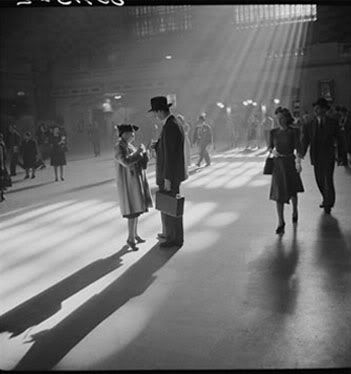
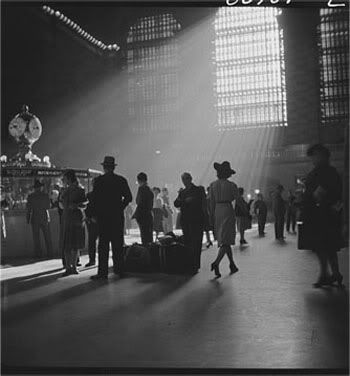
While doing Google image search, I found photographs of Grand Central Terminal in the 1940s by John Collier, including photographs of passengers. According to Wikipedia, Collier worked in photography and visual anthropology, and this education site further elaborates that:
John Collier Jr. applied still photography and film to cross-cultural understanding and analysis.
Many photographers have also documented the building, some artistically. I've posted some impressionable images below.

The full-on light streaming in the early photos of Grand Central (see the 1929 photo posted below - The main concourse at Grand Central Terminal) will never be reproduced according to this photographer because:
(1) skyscrapers now block that exact light from shining through the windows at that position
and
(2) [Grand Central Terminal] is now a ‘smoke free’ place and so the cigarette & cigar smoke that mainly created the haze in the original photo will be never more.
Still, the grandeur of the station remains, and the windows let in enough sun to bathe the interior with majestic light.
-----------------------------------------------------------------------------------------------


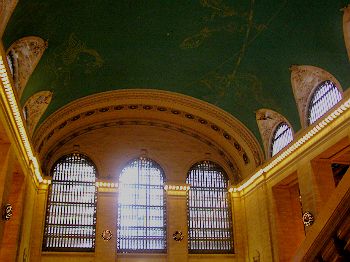
Grand Central Station Zodiac Ceiling, New York
Photograph by Kidist P. Asrat


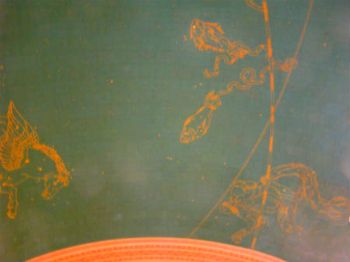
Grand Central Station Zodiac Ceiling, Detail, New York
Photograph by Kidist P. Asrat


Interior of Union Station, Toronto
Photograph by Kidist P. Asrat


Interior of Union Station, Toronto
Photograph by Kidist P. Asrat


Grand Central Depot, ca. 1885
Photograph from H.A. Dunne Archive


Grand Central Terminal, 1941
Photograph by John Collier
The Library Of Congress


The main-concourse information
desk at Grand Central Terminal
in New York, October 1941
Photograph by John Collier
Shorpy.com


The main concourse at
Grand Central Terminal, 1929
Photograph from the New York Transit Museum


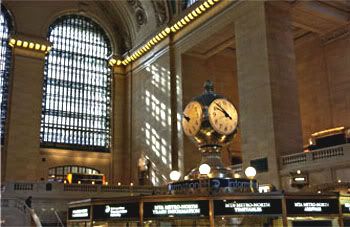
Four-faced clock at a kiosk
inside Grand Central Terminal
on the east side of Manhattan, with
a noticeable amount of sunlight
shining through some of the windows.
Photograph from Wikipedia [Link to larger image]


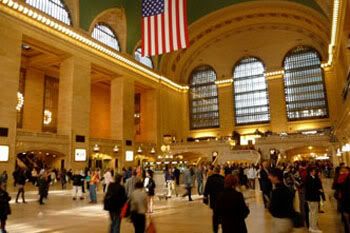
Grand Central Station, 2009
Photograph from Dan K. Allen Photos


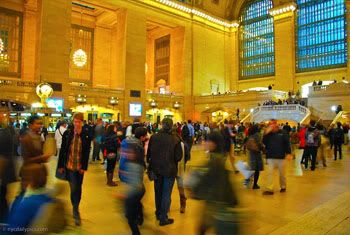
Afternoon rush hour
Grand Central Terminal, Main Concourse
Photograph from NYC Daily Pictures


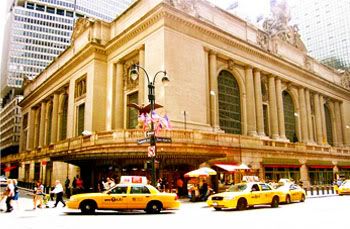
Grand Central Terminal, exterior
Photograph from Gothamist
-----------------------------------------------------------------------------------------------------------------------------------------------------
Post By: Kidist P. Asrat
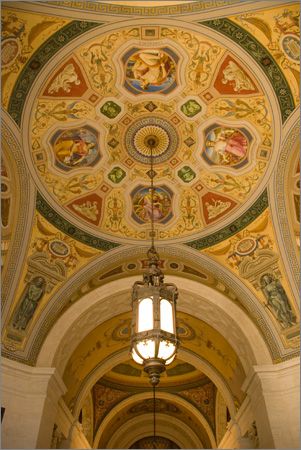
Kennedy's Irish Pub, New York

[All Photos by Kidist P. Asrat]


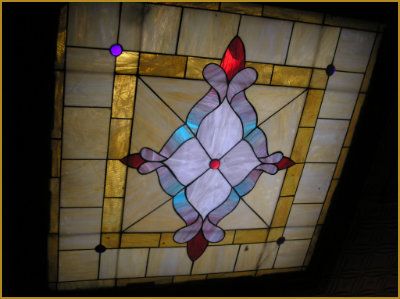
Stained Glass Ceiling


Stained Glass Ceiling


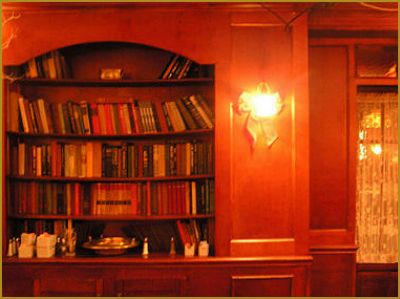
The "Library": Wood and Lace


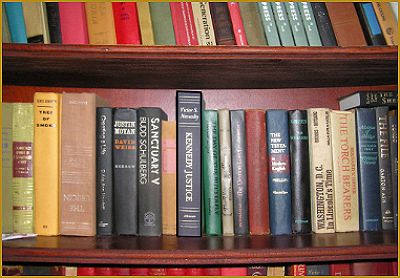
Book Shelf


Christmas Wreath and Gilded Wallpaper


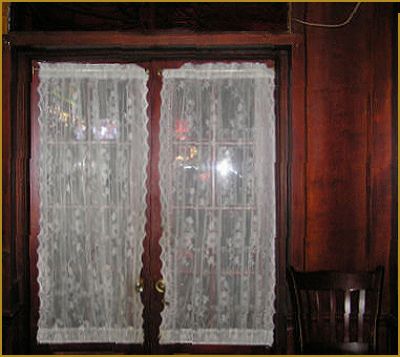
Lace Curtains
-----------------------------------------------------------------------------------------------------------------------------------------------------
Post By: Kidist P. Asrat
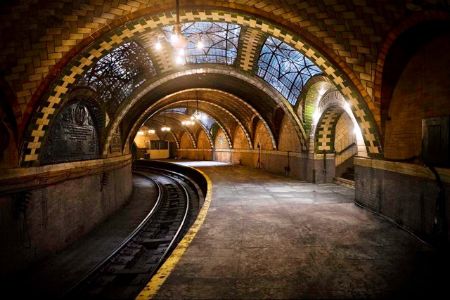
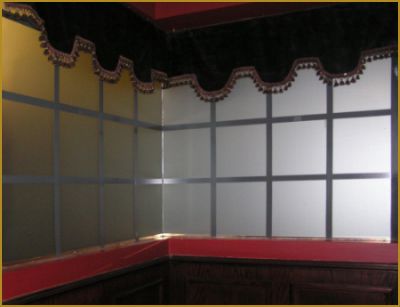
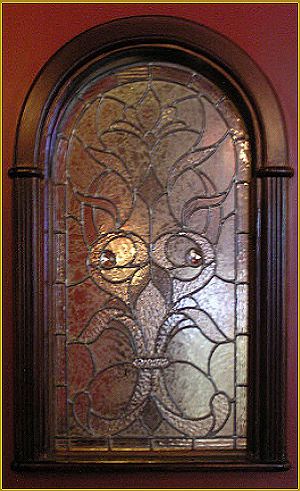
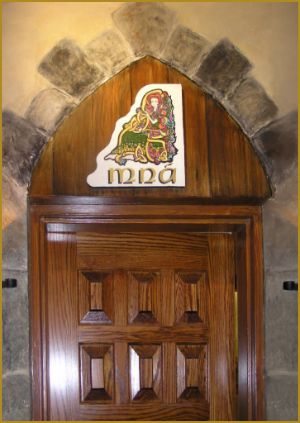
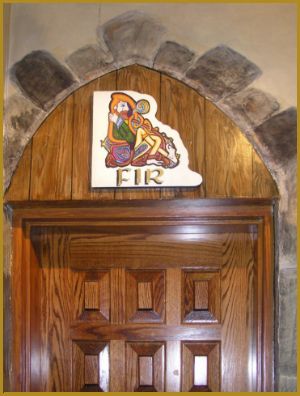
Failte Irish Pub, Toronto

[ All Photos by Kidist P. Asrat]


The Victorian Parlour


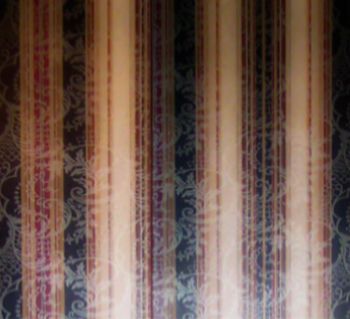
The Victorian Parlour Wallpaper


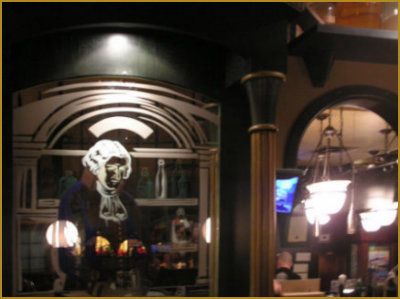
Portrait on Glass


Corner Curtain


Glass Carving


Ceiling Mural


Stained Glass Panel


Ladies


Gents


Stained Glass Divider
-----------------------------------------------------------------------------------------------------------------------------------------------------
Post By: Kidist P. Asrat